11Sep

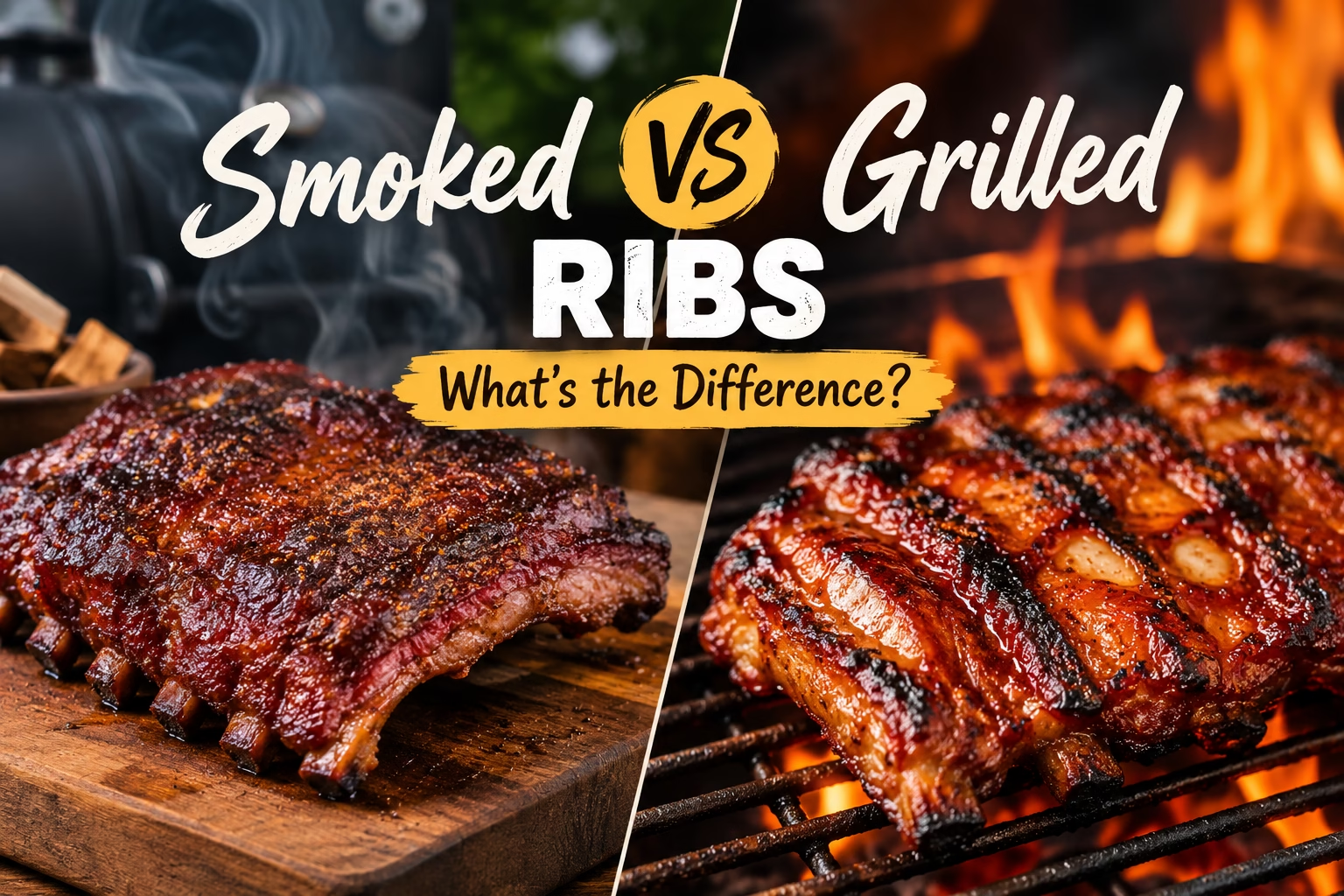
Smoked vs Grilled Ribs: What’s the Difference?

Ribs are a favourite among barbecue lovers, but not every rack is prepared in the same way. Smoking and grilling create distinctly different flavours, textures, aromas, and overall dining experiences. Understanding these differences can help you appreciate why one cooking method may suit your taste better than another. Whether you are looking for the Best Ribs house in Ascot or exploring Ribs and Steaks in Fremantle, knowing how the cooking process affects your ribs can make your next barbecue meal even more enjoyable.

What Makes Smoked Ribs Different?

Smoking is a slow-cooking method that uses indirect heat and wood smoke to gradually cook the meat. Instead of placing the ribs directly over a strong flame, they are positioned away from the primary heat source. The process can take several hours, depending on the cut, cooking temperature, and desired texture. During this time, the meat absorbs the aromas produced by the wood while slowly becoming more tender.

This extended cooking period gives smoked ribs their distinctive character. The flavour tends to be deeper and more complex, with a gentle smokiness that develops throughout the cooking process.

How Grilled Ribs Are Cooked

Grilling takes a more direct approach. The ribs are cooked over or close to a heat source, allowing the exterior to develop colour and caramelisation more quickly. The higher heat makes grilling considerably faster than traditional smoking. It can also produce a beautifully browned surface with slightly crisp edges.

Grilled ribs often have a more pronounced charred character. Depending on the grill, seasoning, and sauce, the exterior can develop layers of sweet, savoury, spicy, or smoky flavour. The result is different from slow-smoked ribs, but that does not make one method inherently better. Each offers its own appeal.

The Difference in Cooking Time

Time is one of the clearest differences between the two methods. Smoking is based on patience. Low and controlled temperatures allow the connective tissues in the meat to gradually break down. This process can create exceptionally tender ribs without relying on high heat.

Grilling is much quicker. Direct heat cooks the meat efficiently and allows the exterior to brown in a shorter period. The difference in timing also affects how the meat is prepared. Smoked ribs require careful temperature management over a longer period, while grilled ribs demand closer attention to heat and cooking time. Both methods require skill, but they test different aspects of a cook’s technique.

How Smoking Changes the Flavour

The defining feature of smoked ribs is, naturally, their smoky flavour. However, good smoking is about balance rather than simply adding as much smoke as possible. Different types of wood can contribute different aromatic qualities. Some create a milder smoke, while others produce a stronger and more intense character.

The smoke gradually interacts with the meat during the cooking process. This creates a flavour that tends to be integrated rather than concentrated only on the surface. Seasonings and sauces can further influence the result. A carefully selected rub can complement the smoke, while a finishing glaze can introduce sweetness or tanginess.

The Charred Character of Grilled Ribs

Grilling creates a different kind of flavour through direct heat. When the surface of the meat reaches a high temperature, browning and caramelisation produce rich roasted flavours. This is one reason grilled food often has a distinctive charred aroma. The outer surface can develop darker, crispier areas while the interior remains juicy when cooked correctly.

Sauces can also behave differently on a grill. A sweet barbecue glaze applied towards the end of cooking can caramelise against the heat, creating a glossy and flavourful coating. For diners who enjoy pronounced char and a quicker cooking style, grilled ribs can be particularly satisfying.

Which Method Produces More Tender Ribs?

Tenderness depends on more than the cooking method. The cut of meat, preparation, temperature, timing, and cooking technique all matter. Smoking has a natural advantage when it comes to long, slow cooking. Extended exposure to controlled heat allows connective tissues to soften gradually.

Grilled ribs can also be tender, particularly when they have been prepared or partially cooked before reaching the grill. The final grilling stage can then develop colour, texture, and flavour. The ideal texture is usually tender without becoming mushy. Ribs should retain enough structure to make each bite satisfying while remaining easy to eat.

The Importance of Temperature Control

Temperature management is essential for both methods, although it works differently in each case. With smoking, maintaining a steady low temperature for an extended period is critical. Sudden changes in heat can affect cooking time and texture.

Grilling involves much higher temperatures, making heat management equally important. Excessive heat can burn the outside before the interior is properly cooked. Experienced cooks understand how to adjust heat according to the thickness of the ribs and their stage of cooking. This control helps create more consistent results. Ultimately, technique matters as much as the equipment being used.

Sauce and Seasoning Make a Difference

The same ribs can taste completely different depending on their seasoning and finishing sauce. A dry rub can create a flavourful crust while allowing the natural taste of the meat to remain prominent. Common ingredients include pepper, paprika, garlic, onion, herbs, and selected spices.

Barbecue sauces can introduce another layer of flavour. Sweet, smoky, tangy, and spicy profiles each complement ribs differently. With smoked ribs, the seasoning should work alongside the natural wood-smoke character. With grilled ribs, sauces can complement the roasted and charred flavours produced by direct heat. Balance is the key. The seasoning should enhance the meat rather than overwhelm it.

Smoked or Grilled: Which Is Better?

There is no universal answer because the better option depends on personal preference. If you enjoy deep smoky aromas, exceptionally tender meat, and the character of slow cooking, smoked ribs may be your ideal choice. They offer a more gradual flavour experience that rewards patience.

If you prefer charred edges, caramelised surfaces, and a more pronounced grilled flavour, grilled ribs may be more appealing. Some diners may even prefer a combination of techniques. Ribs can be slowly cooked before being finished over a hot grill. This approach can bring together tenderness and char in one dish.

Why the Cut of Meat Matters

The cooking method is important, but the cut of the ribs should not be overlooked. Different rib cuts contain varying amounts of meat, fat, and connective tissue. These characteristics influence how they respond to heat.

Meatier cuts may require longer cooking to reach the desired tenderness. Leaner cuts need careful attention because they can become dry if exposed to excessive heat. A knowledgeable barbecue kitchen understands these differences and adjusts its preparation accordingly. This is one of the reasons quality ingredients and experienced cooking go hand in hand.

The Role of Freshness and Preparation

Excellent ribs begin before they ever reach the smoker or grill. Fresh, well-selected meat provides a stronger foundation for the cooking process. Preparation also matters. Trimming excess fat, applying seasoning evenly, and allowing flavours to develop can all influence the final result.

Some kitchens marinate their ribs, while others rely primarily on dry rubs. Neither approach is automatically superior. What matters is whether the preparation complements the meat and cooking method. Attention to these early stages can make the difference between ribs that are simply acceptable and ribs that are genuinely memorable.

What Should You Expect on Your Plate?

Smoked ribs usually arrive with a deeper aroma and a darker exterior developed through hours of controlled cooking. The meat should feel tender while retaining its structure. Grilled ribs typically have a more immediate roasted aroma. Their surface may feature visible char marks and caramelised areas that add texture and flavour.

Both styles can be served with classic barbecue accompaniments. Coleslaw, chips, grilled vegetables, salads, sauces, and other sides can provide contrast to the richness of the meat. The best pairing depends on the intensity of the ribs. Fresh and lighter sides can balance particularly rich or heavily seasoned preparations.

Choosing the Right BBQ Experience

When deciding where to enjoy ribs, consider more than whether the menu simply lists them. Look for signs of careful preparation, quality ingredients, varied cooking techniques, and attention to flavour. A strong barbecue restaurant should understand how different cuts respond to heat. It should also be able to maintain consistency across its dishes.

The overall experience matters too. Friendly service, generous portions, comfortable surroundings, and well-prepared sides can make a substantial difference. Whether you prefer the patience of smoking or the intensity of grilling, the best restaurants allow the quality of the meat and cooking technique to take centre stage.

Conclusion

Smoked and grilled ribs offer two distinctive interpretations of barbecue. Smoking relies on low temperatures, extended cooking, and wood smoke to create deep flavour and tenderness. Grilling uses direct heat to produce faster cooking, roasted flavours, caramelisation, and satisfying charred edges. Neither method is simply better; the choice comes down to the flavour and texture you enjoy most. Understanding the difference also makes it easier to choose a restaurant that matches your preferences. From the Best Ribs house in Ascot to options for Ribs and Steaks in Fremantle, a truly memorable BBQ experience comes from quality meat, skilled preparation, careful cooking, and flavours that work together.

10Sep

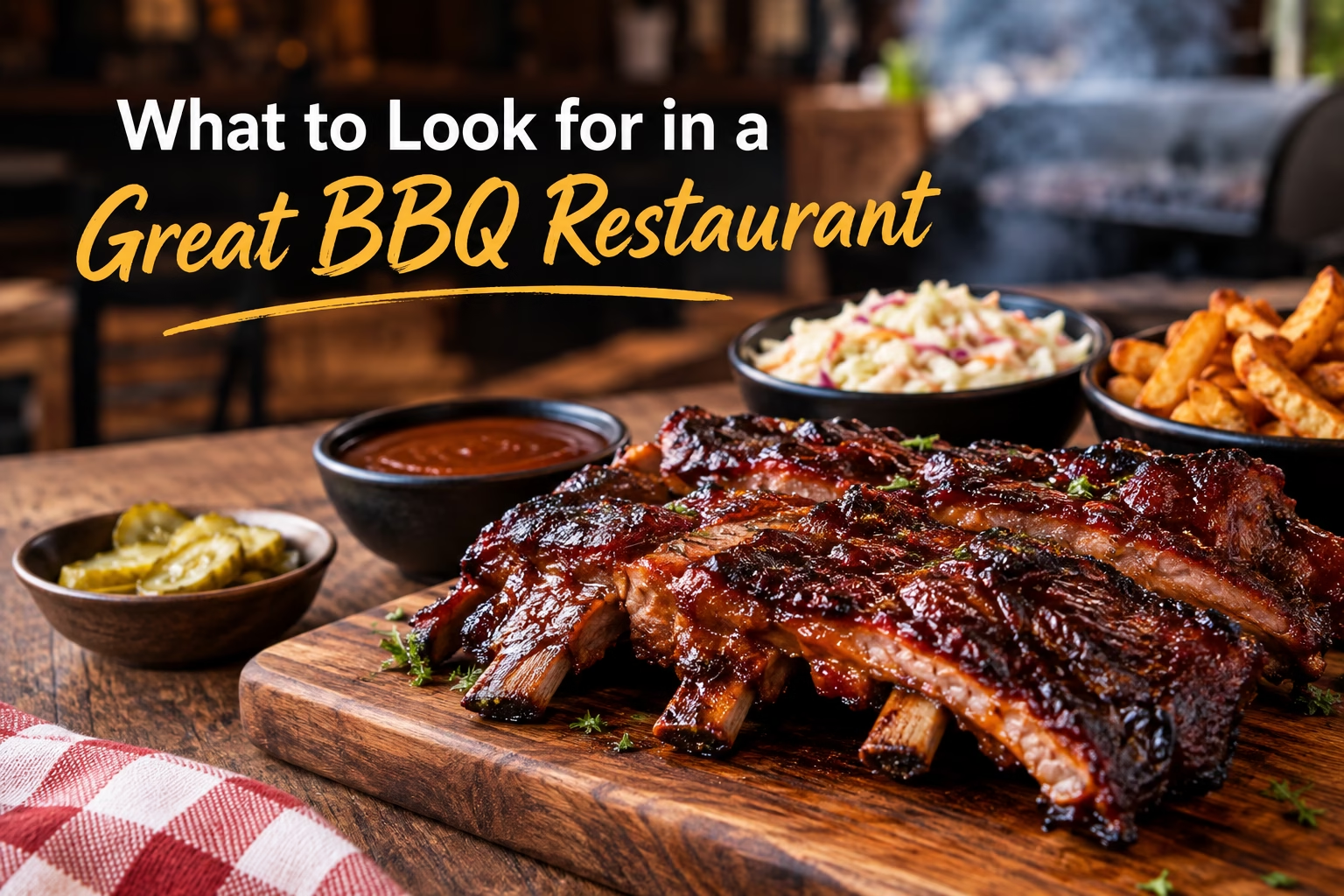
What to Look for in a Great BBQ Restaurant

Finding a great barbecue restaurant is about much more than choosing a place with a long menu or attractive photographs. A memorable BBQ experience depends on the quality of the meat, the cooking technique, the balance of flavours, and the care that goes into every plate. From smoky ribs and juicy steaks to freshly prepared sides and signature sauces, every element has a role to play. For anyone searching for the Best Ribs house in Ascot, knowing what separates an ordinary BBQ restaurant from an exceptional one can help you make a more satisfying choice.

Start with the Quality of the Meat

The quality of the meat should always be one of the first things to consider. Excellent barbecue begins with carefully selected ingredients. Even the most skilled chef cannot create outstanding results from meat that lacks freshness or proper quality.

Different cuts also bring different characteristics to the table. Ribs need the right balance of meat and connective tissue to become tender during slow cooking. Steaks depend heavily on the cut, marbling, freshness, and thickness. Good restaurants understand these differences and choose ingredients according to the dish they are preparing.

Quality meat should have a natural richness that remains noticeable beneath the seasoning and sauce. When the ingredients are good, the cooking process enhances them rather than attempting to hide their weaknesses.

Pay Attention to the Cooking Technique

Barbecue is a style of cooking that rewards patience. The technique used in the kitchen can have a major impact on the final taste and texture. Ribs, for example, benefit from controlled cooking over an extended period. This allows connective tissues to break down gradually. The result should be tender meat that remains moist and flavourful.

Grilling requires a different kind of precision. The chef needs to manage heat carefully to create a beautifully browned exterior without overcooking the centre. Timing also matters because different cuts respond differently to high temperatures. A restaurant that understands these techniques will usually produce meat with greater depth and consistency. The cooking process should bring out the natural character of the ingredients.

Look for That Distinctive Smoky Character

Smoke is one of the defining qualities of traditional barbecue. It adds depth and aroma that cannot easily be recreated through ordinary cooking. However, good BBQ should not taste overwhelmingly smoky. Too much smoke can make meat bitter and overpower the other flavours. The best results come from achieving a careful balance.

Whether a restaurant uses a dedicated smoker, charcoal grill, or another cooking method, the aim should be to develop a subtle smoky character. It should complement the meat rather than dominate it. When you notice a pleasant smoky aroma before the plate even reaches the table, it can be a good indication that the kitchen takes its grilling process seriously.

Seasoning Should Enhance, Not Hide

A delicious BBQ dish needs seasoning, but more seasoning does not always mean more flavour. A well-made rub can combine ingredients such as salt, black pepper, paprika, garlic, onion, herbs, and selected spices. These elements create a flavourful crust while allowing the meat itself to remain at the centre of the dish.

Balance is particularly important. Excessive salt can overpower delicate flavours. Too much spice can make the dish difficult to enjoy. Heavy seasoning can also mask the natural quality of the meat. A skilled BBQ kitchen knows how to build flavour gradually. Each ingredient should have a purpose and contribute to the overall character of the dish.

A Signature Sauce Can Make All the Difference

Barbecue sauce is often what gives a restaurant’s dishes their individual personality. Some sauces focus on sweetness, while others are smoky, tangy, spicy, or rich. A well-balanced sauce combines several of these characteristics without allowing one flavour to dominate.

The timing of the sauce also matters. Applying it too early can cause excessive caramelisation or burning. Brushing it on towards the end of the cooking process allows the sauce to develop a glossy coating while preserving its flavour. Great ribs should taste delicious even without an overwhelming amount of sauce. The sauce should enhance the meat rather than cover it completely.

Tenderness Is a Sign of Proper Preparation

Texture can tell you a lot about the skill behind a BBQ dish.

Ribs that are undercooked may be chewy and difficult to eat. Ribs that are overcooked can become excessively soft and lose their natural texture. The ideal result sits somewhere between these extremes. Properly prepared ribs should be tender, juicy, and easy to enjoy. The meat should separate from the bone without feeling dry.

Steaks require a different approach. Their texture depends on the cut and the requested level of doneness. A good kitchen should be able to prepare each steak according to the diner’s preference while preserving its natural juiciness. These details demonstrate the importance of cooking expertise.

A Well-Balanced Menu Offers More Choice

Not everyone at the table will want the same dish. This is why menu variety can make a BBQ restaurant more appealing. Ribs may be the speciality, but a strong menu can also include steaks, burgers, grilled chicken, sausages, seafood, and other barbecue favourites. This gives groups the freedom to choose according to their individual tastes.

Variety should still be supported by consistency. A restaurant does not need dozens of dishes to impress customers. It needs a selection that it can prepare exceptionally well. A focused menu can often indicate confidence. When a kitchen concentrates on dishes it understands thoroughly, customers are more likely to receive a consistently enjoyable meal.

Don’t Underestimate the Sides

The main meat may be the star of a BBQ meal, but the right side dishes can make the experience much more complete. Rich ribs and steaks pair naturally with fresh salads, crunchy coleslaw, grilled vegetables, chips, and other lighter or comforting accompaniments. These sides introduce different textures and flavours to the plate.

Fresh ingredients are especially useful because they provide contrast to the richness of grilled meat. A crisp salad or tangy slaw can refresh the palate between bites. Good sides should complement the main dish rather than compete with it. Thoughtful pairings show that a restaurant considers the complete dining experience.

Freshness Should Be Easy to Notice

Fresh preparation is another quality indicator worth considering. This applies to more than the meat. Sauces, salads, vegetables, marinades, and other accompaniments can all benefit from careful preparation using fresh ingredients.

Fresh food generally has a cleaner flavour and better texture. It also allows chefs to rely less heavily on excessive seasoning.When a restaurant pays attention to freshness across its menu, the difference is often noticeable. The flavours feel more balanced, and individual ingredients retain their own character.This attention to detail can turn a simple BBQ meal into something considerably more memorable.

Consistency Separates Good Restaurants from Great Ones

A restaurant may produce an outstanding dish once. The real test is whether it can repeat that quality. Consistency is especially important in barbecue because the cooking process involves numerous variables. Temperature, timing, seasoning, portion size, and preparation all need to be controlled.

Customers should be able to return weeks or months later and still expect the same standard. Tender ribs should remain tender. Steaks should be cooked accurately. Sauces should maintain their familiar flavour. Consistent quality builds trust. It is also one of the strongest reasons customers become regular diners instead of making a single visit.

The Dining Experience Matters

Food is only one part of eating out. The surroundings and service also influence how much you enjoy the meal. A comfortable BBQ restaurant should provide a relaxed atmosphere where guests can take their time. Good seating, cleanliness, attentive staff, and a welcoming environment all contribute to the experience.

Barbecue is naturally suited to social occasions. Sharing a generous platter of grilled food with friends or family can be just as enjoyable as the food itself. A restaurant that combines good cooking with warm hospitality creates an experience that people remember beyond the final bite.

Value Is More Than the Price on the Menu

When deciding whether a BBQ restaurant offers good value, price should not be the only consideration. Portion size, ingredient quality, preparation, presentation, service, and overall experience all contribute to perceived value. A carefully prepared meal using quality ingredients may provide greater satisfaction than a cheaper option that compromises on freshness or cooking.

Generous portions are certainly appreciated, especially when dining with family or friends. However, value ultimately comes from receiving food that feels worth what you have paid. A restaurant that consistently delivers quality creates value through trust and satisfaction.

How to Choose Your Next BBQ Destination

Before visiting a BBQ restaurant, take a moment to consider what matters most to you. If you love ribs, look for evidence of careful slow cooking and a strong reputation for meat dishes. If you prefer steaks, check whether the restaurant offers different cuts and cooking preferences.

You can also look at the menu for clues about the restaurant’s approach. A thoughtful selection of sauces, sides, and grilled dishes often reflects a kitchen that understands flavour and balance. Most importantly, look beyond appearances. A stylish dining room is pleasant, but the quality of the food should remain the priority.

The Details Create the Difference

A genuinely great BBQ restaurant understands that memorable food comes from many small decisions. It starts with sourcing the right ingredients. It continues with proper preparation, controlled cooking, balanced seasoning, and carefully selected accompaniments. The final experience is strengthened by good service and a comfortable atmosphere.

None of these elements needs to be excessive. In fact, restraint is often a sign of confidence. When a restaurant trusts its ingredients and cooking techniques, the food can speak for itself. That is what makes barbecue so rewarding. Simple ingredients can become extraordinary when they are handled with skill and patience.

Conclusion

Choosing the right BBQ restaurant becomes easier when you know what quality looks like. Fresh ingredients, carefully selected cuts, slow cooking, controlled grilling, balanced seasoning, distinctive sauces, and well-matched sides all contribute to an exceptional meal. Just as importantly, consistent preparation, friendly service, comfortable surroundings, and genuine value can turn a good dinner into an experience worth repeating. Whether you are planning a family gathering, a casual meal with friends, or simply want perfectly prepared ribs, these qualities are worth considering. For diners searching for the Best Ribs house in Ascot, the ideal choice is ultimately a restaurant where quality, flavour, technique, and hospitality come together naturally.